What Is Retail Execution? A Plain-English Guide for CPG Brands
Key takeaways
- Retail execution is the work of making a brand's retail plans real inside each store: shelf placement, displays, pricing, signage, and fixes done in the aisle.
- Industry surveys typically put planogram compliance in the 50 to 60 percent range, so the shelf shoppers see often is not the one headquarters approved.
- The core components are merchandising, resets, display placement, demos and sampling, and field reporting.
- You can hire it three ways: in-house reps, a dedicated merchandising company, or a broker who bundles coverage with sales representation.
- Measure it store by store: compliance rate, time-stamped photo verification, and sell-through after the visit.
Retail execution is the work of making sure a brand's plans actually happen inside stores: the right products on the shelf in the right spots, displays built and placed, pricing and signage correct, and problems fixed while someone is standing in the aisle. It covers everything between headquarters agreeing to a plan and a shopper seeing the result.
That definition sounds simple, and the individual tasks are. What makes retail execution hard is doing those tasks consistently across hundreds or thousands of stores, week after week, and proving it happened. This guide walks through what the work involves, who does it, and how to tell whether it is being done well.
Why Retail Execution Decides Shelf Outcomes
Retail execution matters because the plan a brand sells into a retailer and the reality in each store are rarely the same thing. Industry surveys of planogram compliance routinely land in the 50 to 60 percent range, which means in roughly four out of ten stores the shelf does not match what headquarters approved.
The gap is not usually anyone's fault. Store staff are stretched thin, resets drift as products sell down, promotional displays sit in the back room because nobody had twenty minutes to build them, and a competitor's rep quietly expands their facings into your space. Compliance also decays: a shelf that was perfect after a reset looks different three weeks later.
Every one of those small failures costs sales the brand already paid for. Trade dollars were spent, the promotion was approved, the product shipped, and then the last hundred feet broke down. Retail execution is the discipline of walking those last hundred feet on purpose instead of hoping.
The Core Components of Retail Execution
Most retail execution programs are built from five kinds of work: merchandising, resets, display placement, demos and sampling, and field reporting. A given brand may need all five or only two, but this is the full toolkit.
- Merchandising: the routine shelf work on every visit. Stocking and facing product, fixing out-of-stocks, rotating dated items, correcting tags and pricing, and reclaiming space that has drifted to competitors.
- Resets and cut-ins: rebuilding a section to a new planogram, or cutting a new item into an existing set so a distribution win actually shows up on the shelf instead of staying in the warehouse.
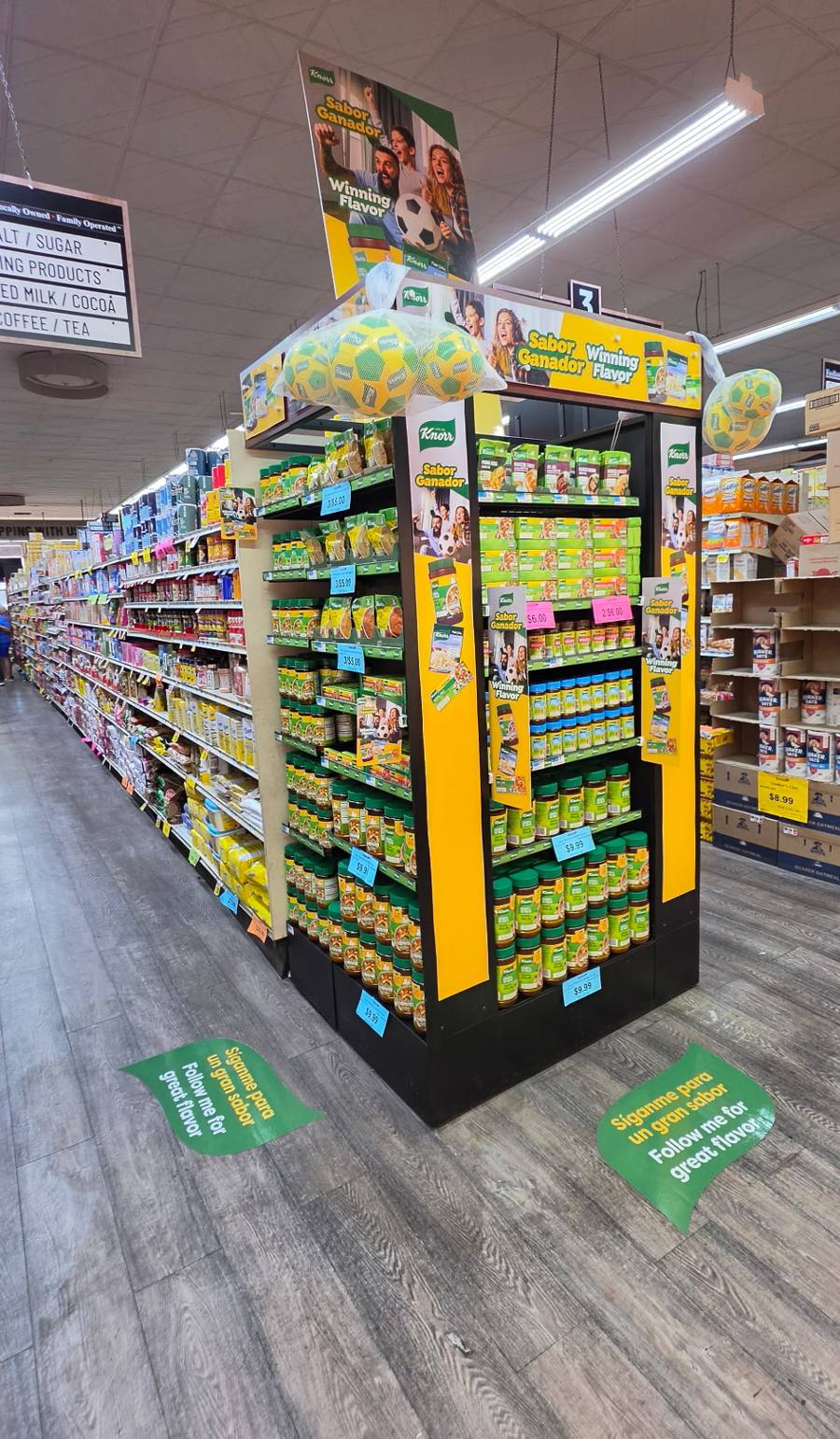
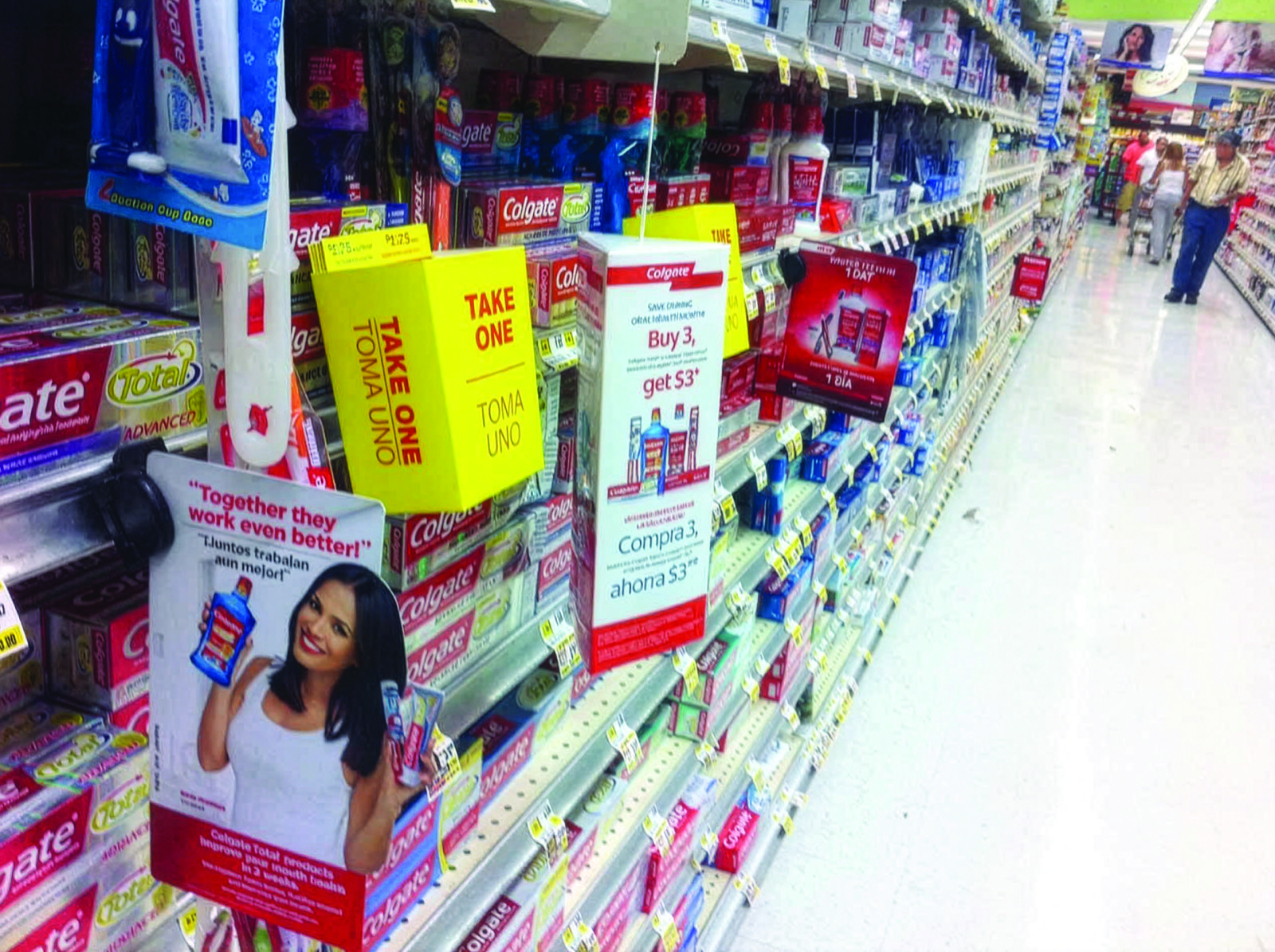
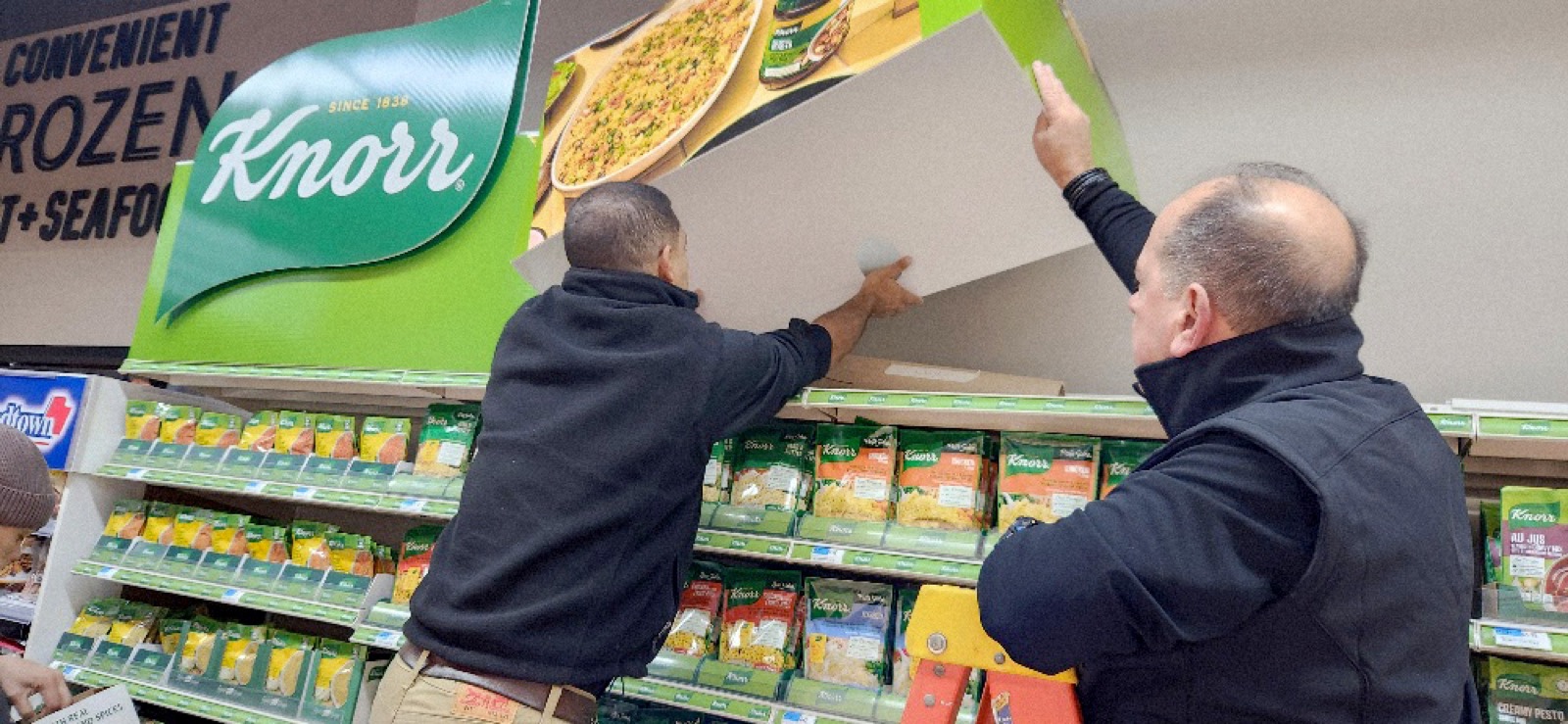
- Display and signage placement: building the off-shelf displays, end caps, and point-of-sale signage that promotions depend on, in the promotional window rather than after it closes.
- Demos and sampling: putting the product in shoppers' hands in-store, which matters most for new items and for stores where the brand is fighting for trial.
- Field reporting: photos, store-level conditions, competitive intelligence, and void reports flowing back to the brand so decisions get made on what stores actually look like.
Who Does Retail Execution?
Three kinds of teams do this work: a brand's own in-house reps, a dedicated merchandising company, and brokers who bundle retail coverage with sales representation. Most CPG brands end up with some mix, and the right mix depends on scale and how much control you need.
In-house teams offer the most control and the deepest product knowledge, but they are expensive to scale and painful to flex when coverage needs change seasonally. They tend to make sense for a brand's most valuable accounts.
Brokers sell your product into retailers and often offer retail coverage as part of the package. The sales relationships are the point; the merchandising is frequently a shared service spread across many principals, which can mean your brand gets minutes, not visits.
Merchandising companies exist to do the store-level work itself. The better ones assign reps to dedicated territories, so the same person walks the same stores on a set cadence, knows the receivers and store managers by name, and is accountable for conditions in those specific stores.
How Do You Measure Retail Execution?
Measure retail execution at the store level, not the market level. The three measurements that matter are compliance rate per store, photo verification of completed work, and sell-through after the visit.
- Store-level compliance: for each store, did the set match the planogram, was the display up, was the new item cut in, was pricing correct. Averages hide problems; a 90 percent regional average can conceal a chain where nothing got done.
- Photo verification: time-stamped, geo-tagged photos taken during the visit, ideally before and after. This is the evidence layer that makes every other number trustworthy.
- Sell-through: point-of-sale movement in visited stores compared against similar stores that were not visited, or against the same stores before coverage began. This connects field spending to revenue.
- Speed: how fast a new item reaches the shelf after authorization, and how fast a reported void or display failure gets fixed. Slow execution during a promotional window is nearly the same as no execution.
What Good Retail Execution Looks Like
Good retail execution is boring in the best way: the same rep in the same stores on a predictable cadence, small problems fixed on the spot instead of reported and forgotten, and a photo trail nobody has to chase. When it is working, brand managers stop being surprised by store conditions.
It also covers the stores that are hardest to reach. National banners get attention by default; independents and urban supermarkets are where coverage usually breaks down first, even though those stores can be where a brand's most loyal shoppers are. A program that only executes well in easy stores is executing half a strategy.
This is the work we have done at HAP since 1996. Our field teams cover stores nationwide in dedicated territories, our bilingual English and Spanish reps go deep in independent and Hispanic grocery in the New York and New Jersey metro alongside national banners, and because we print and produce point-of-sale displays in-house, the signage our teams install is the signage we built. One accountable team from production to the shelf keeps the plan and the store from drifting apart.
Frequently asked questions
What is the difference between retail execution and merchandising?
Merchandising is one component of retail execution: the physical work at the shelf, like stocking, facing, and fixing tags. Retail execution is the whole system around it, including planning store coverage, resets, display placement, demos, verifying the work with photos, and reporting conditions back to the brand so problems actually get fixed.
What does a retail execution company do?
A retail execution company fields trained reps who visit stores on a scheduled route to stock and face product, complete resets and cut-ins, build displays, install signage, run demos, and document conditions with photos. It also handles the operational layer brands do not want to build: territory management, scheduling, rep training, and store-level reporting.
How much does retail execution cost?
It is typically priced per store visit or per store per month, and the honest answer is that rates vary widely with visit length, visit frequency, geography, and how dense your store list is. Dedicated reps cost more than syndicated coverage, where a rep serves several brands on one route. Ask providers to quote against your actual store list rather than comparing list rates.
How do you measure retail execution?
Measure it store by store using three layers: compliance, whether each store matches the planogram and promotion plan; verification, time-stamped photos proving the work happened; and outcomes, sell-through in covered stores versus comparable uncovered ones. Add speed metrics, like days from authorization to shelf, and review results weekly rather than quarterly.