Independent Supermarkets: The Hidden Superpower of CPG Consumer Sales
Key takeaways
- Independent grocers are estimated to account for more than a third of U.S. grocery sales — yet most CPG field programs are built around national banners and barely touch the channel.
- Independents decide at the store: the owner or manager can approve a display, a secondary placement, or a new SKU this week — no six-month category review required.
- Community trust is the multiplier. Shoppers know these stores, and a brand that shows up well inside them borrows that trust.
- Winning takes presence, not just distribution: a dedicated rep on a regular cadence, displays sized for the store, and a sell-in, set, maintain, and prove loop.
Ask a CPG brand team where their volume comes from and you will hear the national banners first — the accounts with category reviews, planograms, and syndicated data. Ask where their fastest, most winnable growth is hiding, and the honest answer is usually a channel their field program barely touches: independent supermarkets.
Independent grocers are estimated to account for more than a third of U.S. grocery sales. That is not a niche. It is a parallel grocery economy — locally owned supermarkets, family-run banners, and regional co-op members — that most national brands serve with distribution but never actually work at store level. The shelf gets product; nobody from the brand ever walks the aisle.
What counts as an independent supermarket?
An independent supermarket is a grocery store owned and operated outside the big national chains — a single-store operator, a family with a handful of locations, or a member of a retailer-owned cooperative or wholesaler banner program. The store may fly a recognizable banner flag, but the decisions that matter to a brand — what gets displayed, where, and for how long — are made by the people inside that building.
Why independents are a hidden superpower
- Decisions happen in the store, this week. At a national chain, an endcap is won in a category review months out. At an independent, the owner or store manager can say yes to a display, a secondary placement, or a new item while your rep is standing in front of them.
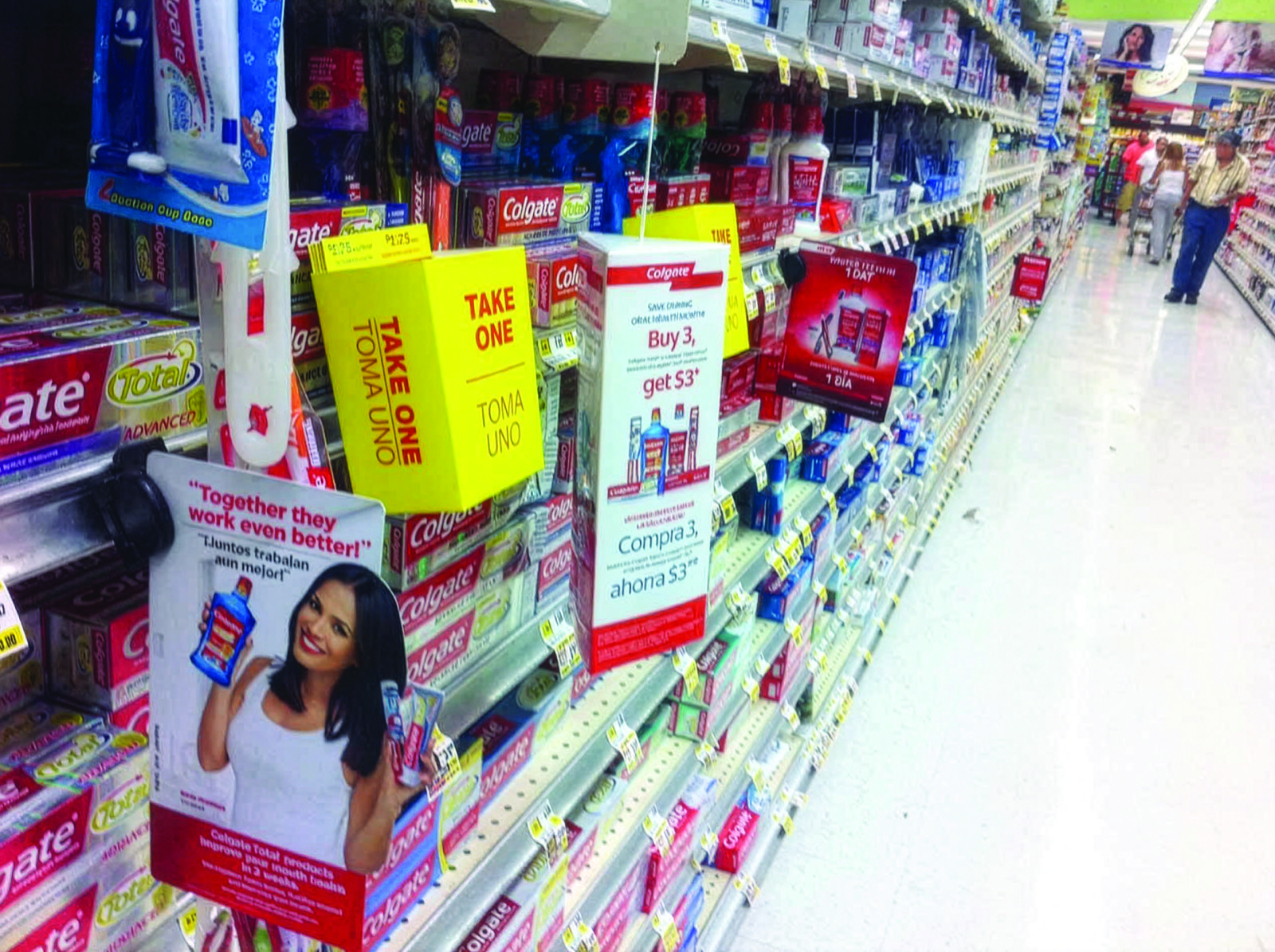
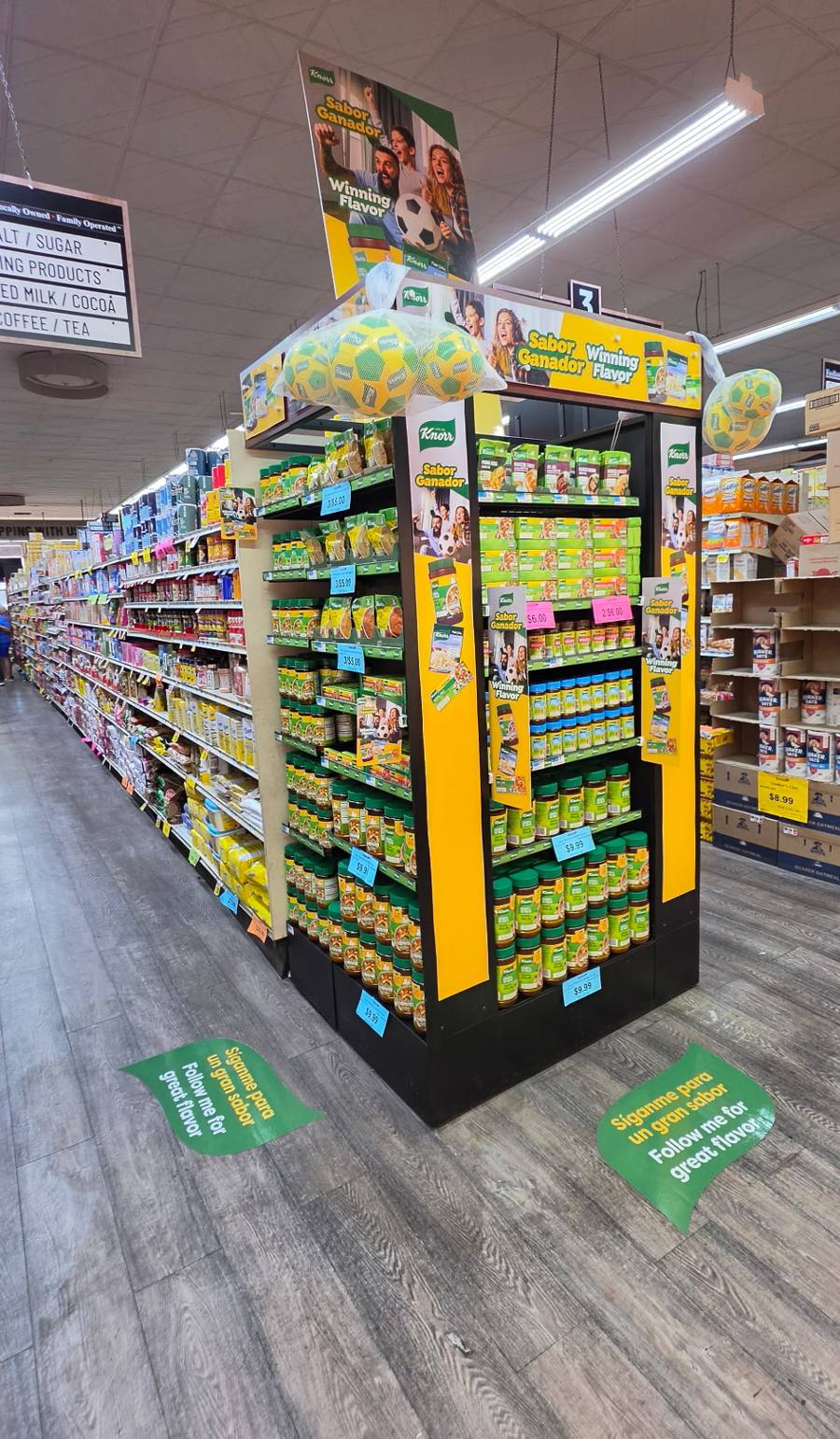
- Display space is negotiable. Independents have real flexibility on endcaps, side stacks, corner units, and cross-merchandised sections — the high-visibility placements that move product and that chains lock up long in advance.
- Community trust transfers to your brand. These stores are neighborhood institutions. Shoppers trust the store's choices, and a brand that is well-presented there inherits some of that trust in a way a big-box shelf position never delivers.
- Less competition for attention. Most national field programs skip the channel, so the brand that actually shows up — with a rep the owner knows by name — gets outsized share of display, of goodwill, and of the owner's willingness to try something new.
- They anchor high-growth urban and multicultural markets. Fragmented grocery is strongest exactly where many brands' data visibility is weakest — dense metro neighborhoods where the most loyal, highest-frequency shoppers live.
Why most CPG programs never crack the channel
The reasons are structural, not mysterious. Every independent store is its own account, so winning a hundred of them takes a hundred conversations instead of one review. The channel is thinly covered by syndicated data, so it is invisible in the dashboards that drive budget decisions. And the standard playbook — ship a corrugated display designed for a supercenter and hope — simply does not fit stores where space, staffing, and workflow are different in every building.
So the channel stays underworked. Which is precisely why it is a superpower for the brands willing to work it: the barrier is effort, not money, and effort is a solvable problem.
What winning in independents actually takes
- A dedicated rep on a regular cadence — the same person in the same stores, so the owner relationship compounds instead of resetting every visit.
- Reps who can sell, not just stock. The visit that matters is the one where a manager conversation turns into an endcap, a side stack, or a new SKU cut in.
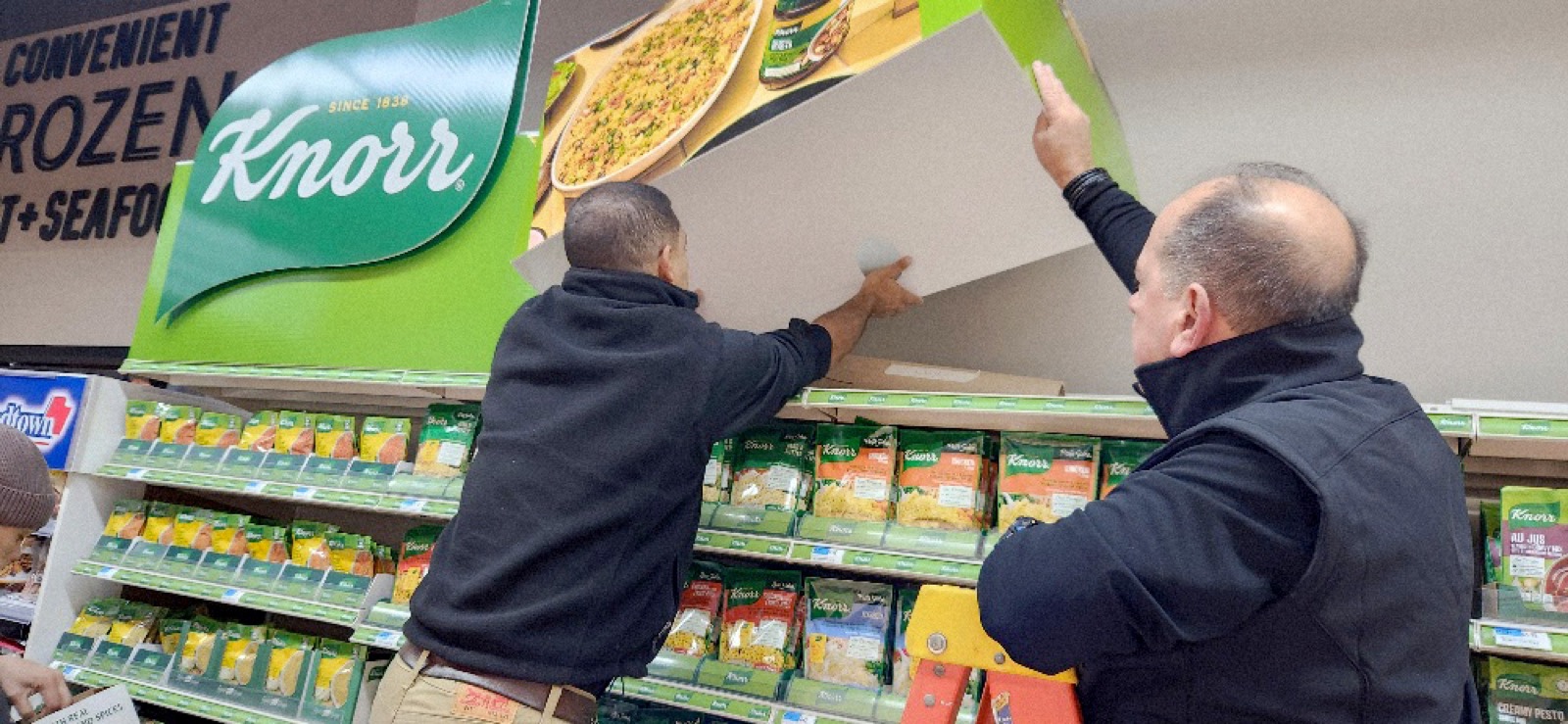
- Displays sized and built for the store. The right corner unit or checkout topper in the right store beats a pallet display that never makes it out of the back room.
- The full loop: sell it in, set it right, keep it full, prove the lift — with photo reporting so the brand team sees exactly what is in market.
The chains will always matter. But if your brand is fighting for basis points at the national banners while a third of the market goes unworked, the fastest consumer-sales growth available to you is sitting in stores your competitors never visit. Show up there, and you will not be fighting for space — you will be given it.
Frequently asked questions
What is an independent supermarket?
A grocery store owned and operated outside the national chains — a single-store operator, a family-owned group, or a member of a retailer-owned cooperative or wholesaler banner program. Display and assortment decisions are made in the store rather than at a distant category review.
Why do CPG brands struggle in independent grocery?
Because every store is its own account. The channel is fragmented, thinly covered by syndicated data, and poorly served by display formats designed for national chains — so programs built on chain playbooks stall, and most brands stop at distribution without store-level execution.
How do CPG brands win display space in independent supermarkets?
With presence: a dedicated field rep who visits on a regular cadence, builds a relationship with the owner or manager, proposes displays sized for the store, and then sets, maintains, and photographs what was sold in. In independents, the person standing in the store gets the space.
Are independent supermarkets a big enough channel to matter?
Yes — independent grocers are estimated to account for more than a third of U.S. grocery sales, and they are concentrated in dense urban and multicultural markets where shopper frequency and loyalty run high. For most brands it is the largest channel their field program does not actively work.