Field Marketing vs. Merchandising vs. Sales Brokerage: What Your Brand Actually Needs
Key takeaways
- Brokers sell your product into accounts, merchandisers maintain it on the shelf, and field marketing drives shoppers to buy it — three different jobs that only look similar from a distance.
- Match the hire to your stage: launch is an access problem, expansion is a consistency problem, and defense is an attention problem.
- Most execution failures happen in the handoffs between vendors, not inside any single vendor's scope.
- Before hiring anyone, ask who physically visits stores, which store types they truly cover, and how visits are verified.
Somewhere between signing a distributor and seeing your product actually sell, three kinds of companies will offer to help: sales brokers, merchandising services, and field marketing agencies. They pitch in similar language, and brands confuse them constantly — we hear the mix-up on first calls all the time.
The confusion is expensive. Hire a broker when your real problem is empty shelves and nothing changes. This guide separates the three retail services, maps where they overlap, and gives you a way to decide based on where your brand actually is.
What is the difference between field marketing, merchandising, and sales brokerage?
A sales broker sells your product into retail accounts. A merchandiser keeps it stocked, priced, and displayed once it is there. Field marketing gets shoppers to pick it up — through demos, sampling, display sell-in, and in-store activation. One sells the buyer, one maintains the shelf, one wins the shopper.
Sales brokerage: getting into the account
A broker is an outsourced sales force. Brokers hold the relationships with category buyers and distributors, present your line at review, negotiate promotions, and manage the paperwork that follows. Industry guides commonly put broker commissions anywhere from the mid-single digits to around 10 percent of net sales depending on channel, often with a monthly retainer for emerging brands.
Where it breaks down: most brokers stop at the buyer's desk. Winning the authorization is not the same as being on the shelf in store 214 on a Saturday. Brokers also carry large portfolios, so a small brand can quietly become nobody's priority.
Merchandising: keeping the shelf right
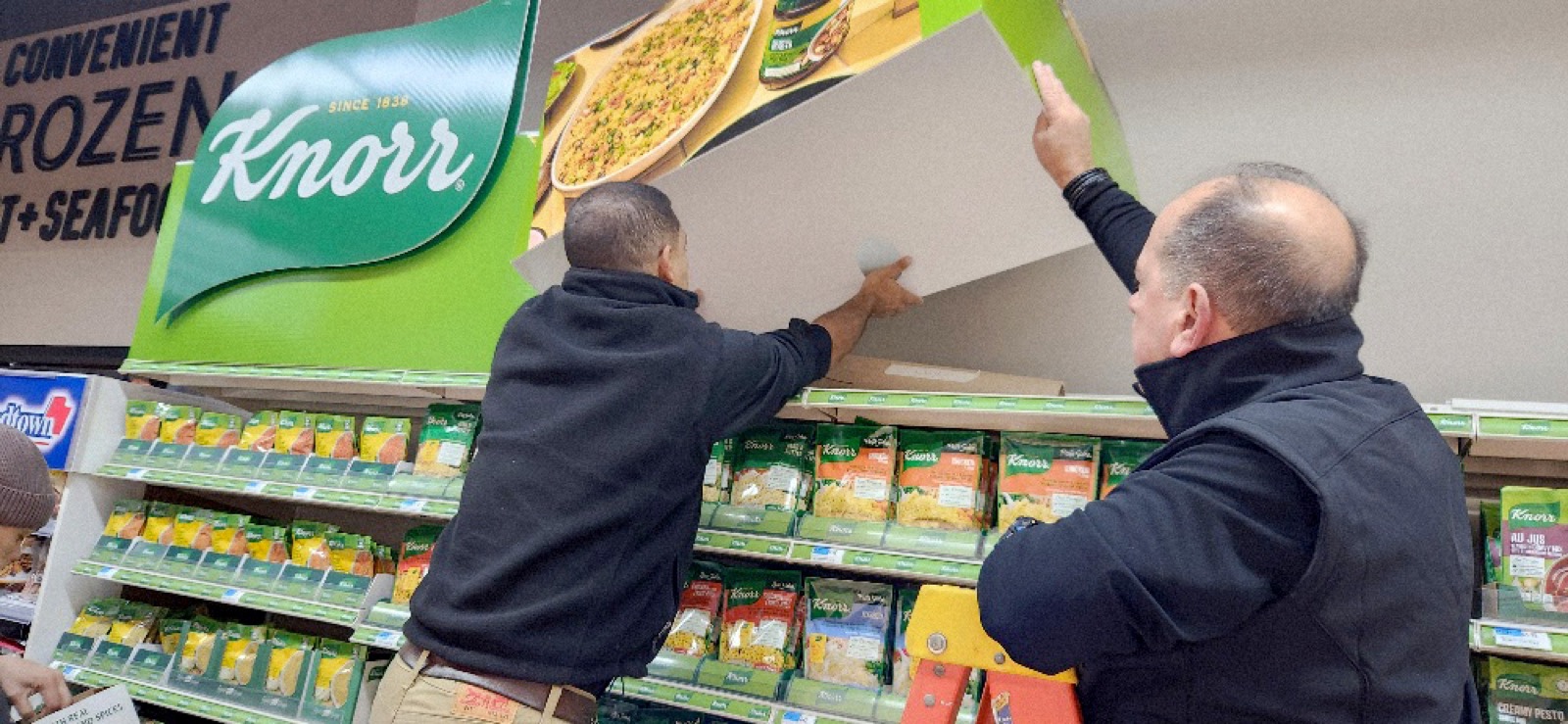
Merchandising services put people in stores to stock product, reset shelves to planogram, place POS materials, check pricing and tags, and report voids and out-of-stocks. It is maintenance work — unglamorous and absolutely necessary, because distribution you cannot see on the shelf is distribution you are paying for and not selling.
Where it breaks down: a pure merchandising visit follows a checklist. If the checklist does not include selling a display to the store manager, that conversation never happens. Coverage also runs thin in independents and urban stores that national merchandising networks tend to skip.
Field marketing: making the product move
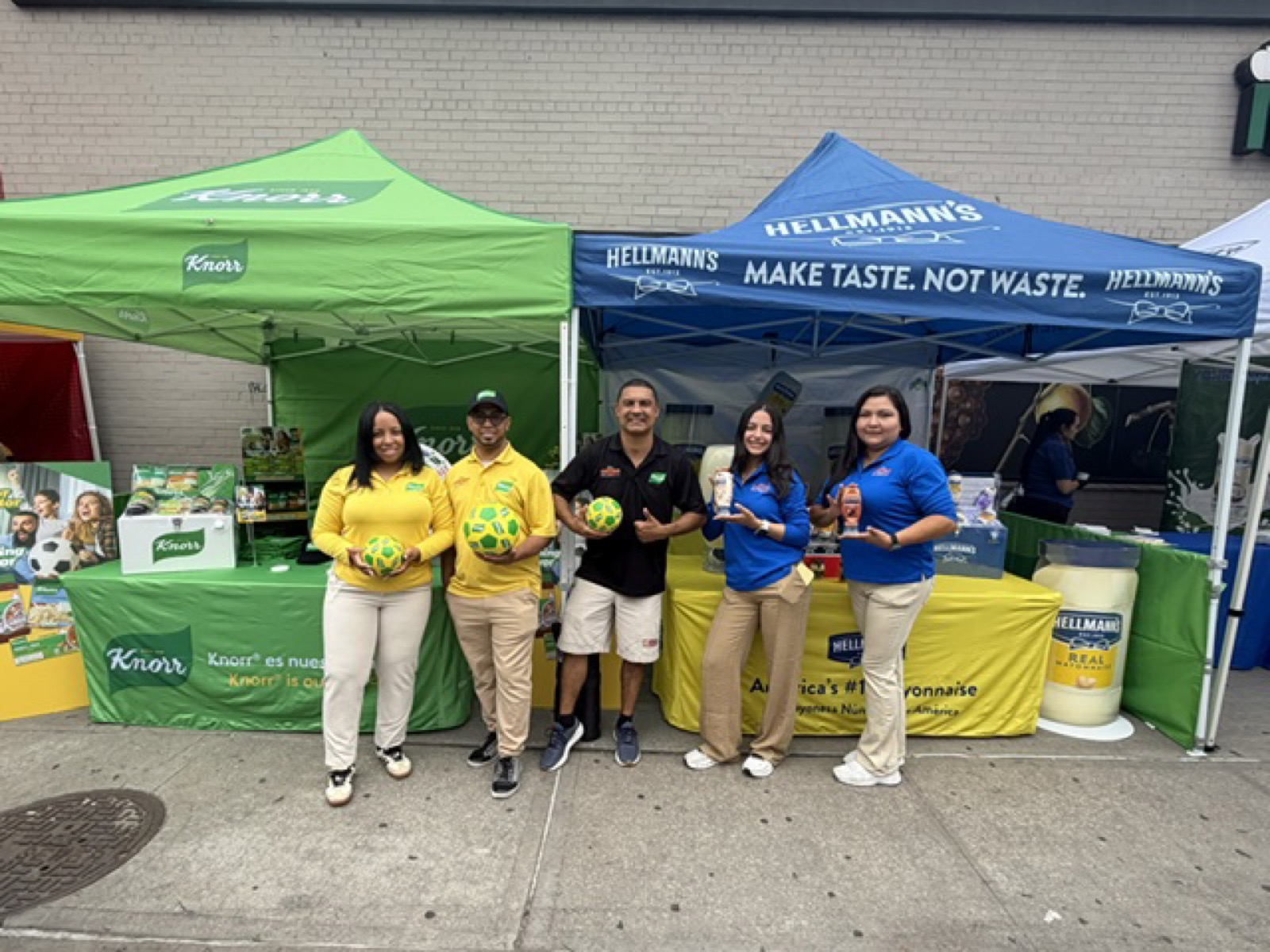
Field marketing is the demand side of retail: in-store demos and sampling, display sell-in and builds, launch blitzes, store-level relationships, and shopper-facing events. Where merchandising maintains conditions, field marketing changes them — a rep who talks a manager into an end cap has done something no planogram check can.
Where it breaks down: activation without maintenance leaks. A demo run next to a shelf void wastes the day. And field marketing cannot replace a broker — field reps influence stores, not chain-level buyers.
Who actually does what: the overlap map
The cleanest way to sort the three is by who they talk to. Brokers talk to buyers at headquarters. Merchandisers talk to shelves. Field marketing talks to store managers and shoppers.
- Sells your line to chain and distributor buyers, manages promotions and deductions: broker.
- Stocks shelves, resets to planogram, places POS, reports voids and pricing errors: merchandiser.
- Runs demos and sampling, sells in displays store by store, builds manager relationships, activates launches: field marketing.
- Genuine overlap: display placement and void reporting sit between merchandising and field marketing — which is exactly where handoffs get fuzzy when the two are separate vendors.
How to choose based on your brand stage
Match the service to the problem your stage creates. Launch problems are access problems, expansion problems are consistency problems, and defense problems are attention problems.
Launching: you need access
A broker (or your own sales lead) comes first, because nothing else matters until a buyer says yes. Pair that with field marketing for the first 90 days after authorization — early velocity numbers decide whether the buyer keeps you, and demos plus clean launch conditions are what move them.
Expanding: you need consistency
Distribution usually outruns execution. When you jump from 80 stores to 800, the question is no longer whether you can get in but whether every store looks the way the planogram says. This is where merchandising coverage earns its keep, with field teams layered on top in priority markets.
Defending: you need attention
Established brands lose facings quietly — a reset here, a competitor display there. Defense is store-level relationship work: field teams who know the managers, refresh displays, and catch erosion while it is still reversible.
Why fragmented vendors create execution gaps
Because retail problems do not respect vendor scopes. The broker wins a display promotion, the merchandiser's checklist does not include it, and the field agency finds out after the promotion window closes. Each vendor did its job; the brand still lost the display.
When the account team, the shelf team, and the activation team work for three different companies, every store visit becomes a coordination problem. Reporting fragments too: three dashboards, three definitions of a completed visit, and nobody accountable for sell-through. An integrated model puts one team — and one report — behind everything that happens after the buyer says yes.
Questions to ask before hiring any of the three
Whatever you hire, the questions are the same: who physically shows up, where, how often, and how you will know it happened.
- Who is in the store — dedicated reps with assigned territories, or gig workers picked up per visit?
- Which store types do you actually cover? National banners are easy to claim; independents and urban supermarkets are where coverage claims fall apart.
- Can your people sell, not just audit? Ask for a recent example of a rep turning a manager conversation into a display.
- How are visits verified — photo reporting, time stamps, a dashboard we can log into?
- What happens when a rep finds a problem outside the contracted scope?
- For brokers specifically: how many lines does the person on my business carry, and where do I rank among them?
Where an integrated model fits
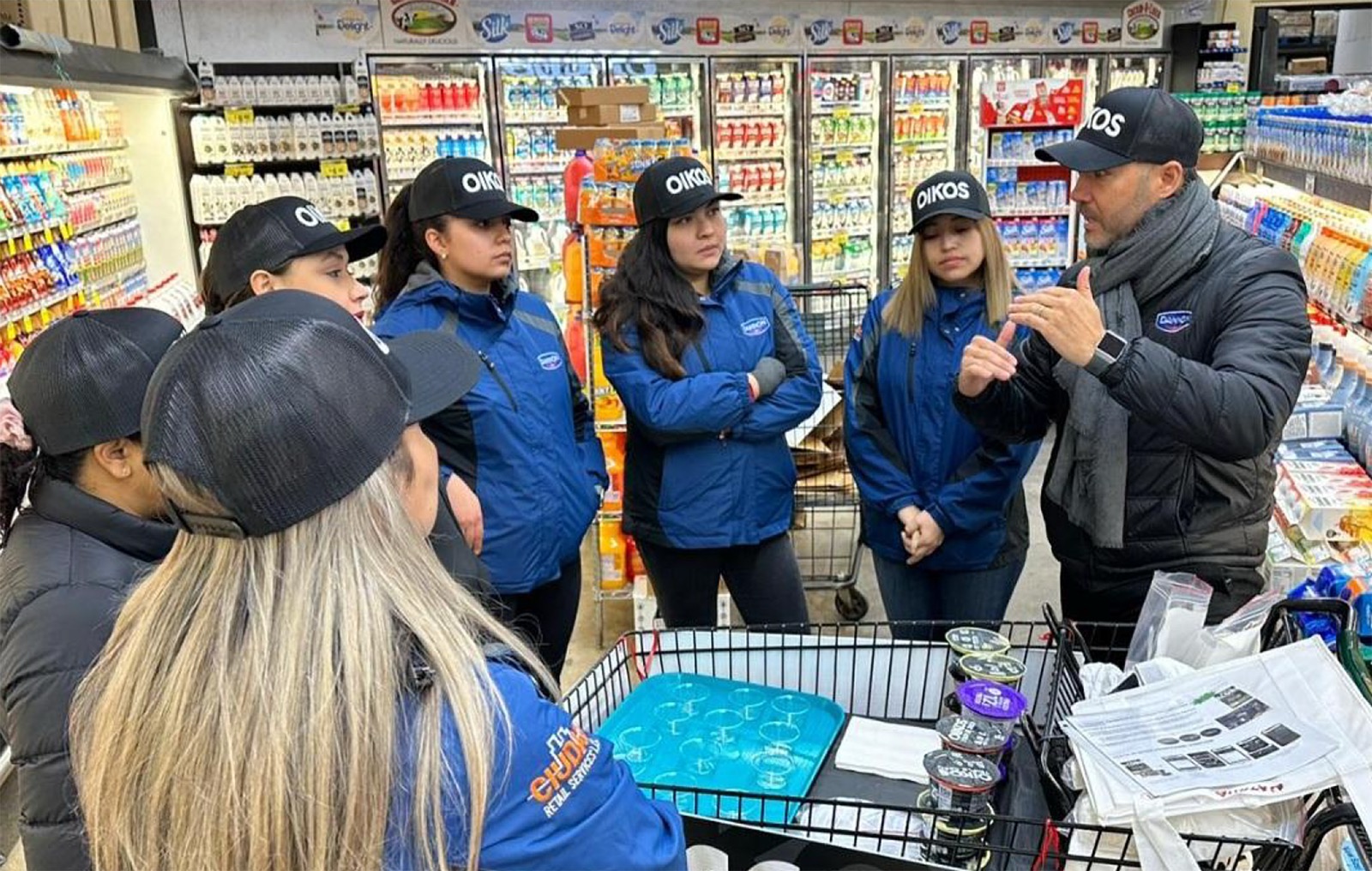
We built HAP around the store side of that map. Since 1996 we have run field marketing and merchandising as one operation — bilingual field teams with dedicated territories nationwide, deep coverage of independent and Hispanic grocery in the NY/NJ metro alongside national banners, and in-house POS production and kitting so displays ship from our warehouse to the same teams that install them. We work alongside brokers rather than replacing them: they win the account, we make it perform. If you are weighing which combination your brand needs, that is exactly the conversation to have before you sign anything.
Frequently asked questions
What is the difference between field marketing and merchandising?
Merchandising maintains retail conditions: stocking shelves, resetting to planogram, placing POS, and reporting problems. Field marketing changes conditions and drives demand through demos, sampling, display sell-in, launch support, and store-manager relationships. Merchandising follows a checklist; field marketing carries a sales objective. Growing brands usually need both, ideally from one team so nothing falls between them.
What does a sales broker do for a CPG brand?
A broker acts as your outsourced sales force to retail: presenting your line to category buyers, negotiating authorizations and promotions, managing distributor relationships, and handling deduction paperwork. Brokers typically work on commission — industry guides commonly cite mid-single digits to around 10 percent of net sales, varying by channel. They sell the account; most do not execute in stores.
Do I need a merchandising company if I have a broker?
Usually, yes. Most brokers do not include store-level coverage beyond occasional key-account checks. A broker gets you authorized; someone still has to keep product stocked, displays standing, and voids reported across hundreds of stores. Ask your broker exactly what in-store work is included before assuming the shelf is covered — the answer is often less than brands expect.
How are field marketing services priced?
Most field marketing is priced per activity or per coverage: day rates for demo and sampling teams, per-visit fees for store coverage, or monthly retainers for dedicated territory reps. Costs scale with store count, visit frequency, and staffing model — dedicated teams cost more per visit than gig networks but execute more consistently. Ask for quotes tied to your actual store list, not a generic rate card.