Why Trade Show Logistics Is So Hard (And How to Make It Boring)
Key takeaways
- Most show-week failures trace to structure, not bad luck: six or seven vendors share one deadline with no accountability to each other.
- The cheapest deadlines close first. Early-bird show-services windows and advance-warehouse receiving dates decide most of the budget weeks before move-in.
- A project manager can watch the handoffs, but only consolidation removes them.
- Staging freight in a warehouse near the venue, with in-house printing for same-week fixes and storage between shows, turns the most common disasters into non-events.
- Great logistics is invisible. If show week felt boring, the logistics worked.
Ask any marketing manager about their worst show week and you get the same story with different nouns: a crate that never left the marshaling yard, a graphic that came off the truck torn, a booth that shipped home on the wrong carrier at rates nobody agreed to. None of these are freak accidents. They are the predictable output of a structure that splits one hard deadline across half a dozen companies that have never spoken to each other.
The real problem: seven vendors, one deadline
Trade show logistics is hard because a single booth typically depends on six or seven separate vendors, and none of them is accountable to any of the others. The only person watching the whole chain is you.
Count the hands on a typical island or inline booth:
- An exhibit house that built the booth and may or may not handle shipping it.
- A freight carrier moving crates to the advance warehouse or the show site.
- The show's general contractor, which controls the docks, the drayage, and the schedule.
- An I&D crew installing and dismantling the booth, often ordered through yet another company.
- The venue electrician, on a separate order form with a separate deadline.
- An AV supplier with its own delivery window and its own paperwork.
- A hotel block and a staffing plan for the people actually working the booth.
Each vendor is competent at its own job. But when the crate is late, the carrier blames the marshaling yard, the general contractor points to the paperwork, and the I&D crew bills for standing around. Every handoff is a place for the schedule to break, and every break lands on the marketing manager, because no contract makes any of these companies responsible for each other's misses.
The deadline cascade starts earlier than anyone expects
A trade show is not one deadline; it is a cascade of them, and the cheapest ones close first. By the time move-in feels urgent, most of the money has already been decided.
The show kit's early-bird windows for electrical, carpet, rigging, and internet typically close two to four weeks before the show, and post-deadline rates run meaningfully higher for exactly the same services. Miss those dates and you pay a premium for nothing.
Freight has its own fork in the road. The advance warehouse usually starts receiving about a month out and cuts off several days before move-in, with late-to-warehouse surcharges after the deadline. Ship direct-to-show instead and you are committing to a targeted date, sometimes a specific appointment window, with no slack on either side.
Then comes the marshaling yard. At major venues your driver checks in at a staging lot, often miles from the hall, and waits to be called to a dock. Miss the check-in cutoff on your target day and the truck can roll to the next morning while your installation crew bills for waiting. Every one of these deadlines belongs to a different vendor, and none of those vendors reads the others' calendars.
Four failure modes every exhibitor recognizes
Show-week disasters are not random; the same four failures repeat at nearly every major show. We have taken the Tuesday-morning phone call about all of them.
- The crate stuck in marshaling. Your booth is a hundred feet of concrete away, but the truck missed its check-in window and nothing moves until the yard calls it forward, sometimes not until the next day.
- The damaged graphic with no local option. A fabric panel comes off the truck creased or torn, the printer who produced it is three time zones away, and true overnight reprints of large-format graphics mostly do not exist.
- Forced freight at close. Your outbound carrier misses the pickup deadline, the general contractor re-routes the booth through its own carrier at rates you never agreed to, and untangling the shipment can take weeks.
- The mystery drayage invoice. Long after the show, material handling charges arrive carrying special-handling surcharges and per-shipment minimums you did not know you triggered. Industry budget surveys regularly find exhibitors underestimating their total show costs by a fifth or more, and this invoice is usually where the gap hides.
Why adding a project manager doesn't fix it
A project manager watches the seams, and the seams are the problem. Better coordination lowers how often the structure fails; it does not change the structure.
The best show coordinator alive still cannot make the general contractor answer to your carrier, or your carrier answer to the I&D crew. Each vendor's obligation ends at its own scope line, so the spreadsheet tracks the handoffs without removing a single one of them. When something slips at two in the afternoon on target day, a project manager can document whose fault it was. That is not the same as having someone who can fix it.
This is why exhibitors who staff up on coordination still live through the same disasters, just with better paper trails. The fix has to reduce the number of handoffs, not the number of people watching them.
What actually fixes it: fewer hands on the freight
The fix is consolidation: collapse as many of those seven vendor roles as possible into one accountable partner, and stage the freight as close to the venue as you can.
- One accountable partner. When fabrication, graphics, kitting, freight coordination, and I&D scheduling sit under one roof, there is no seam for the schedule to fall through and one company answerable for the whole chain.
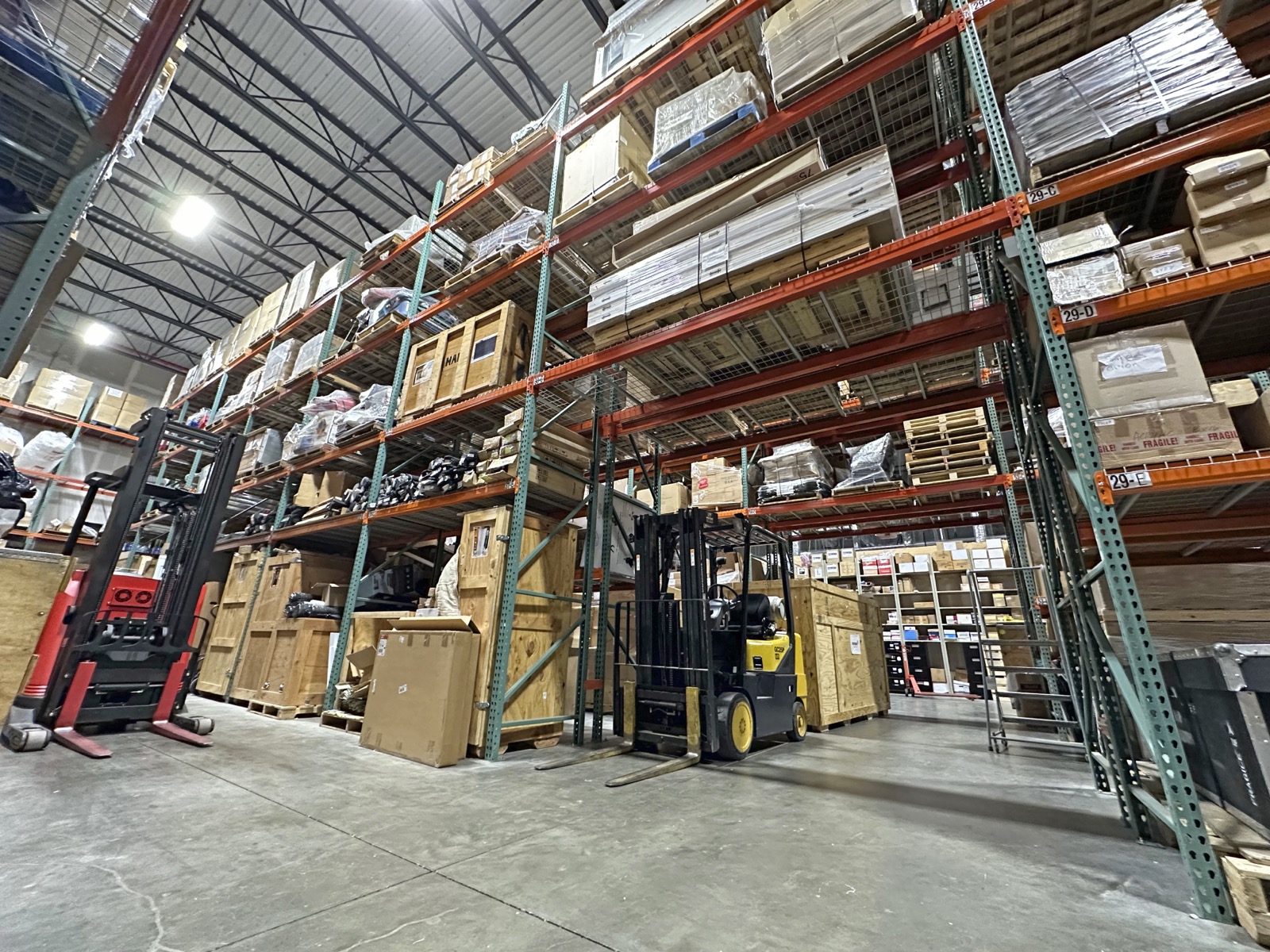
- Warehouse staging near the venue. A booth staged an hour from the hall gets inspected, consolidated into a single shipment, and dispatched to hit a marshaling window with a precision no cross-country carrier can promise.
- In-house fabrication and printing. When the partner storing the booth also prints the graphics, a damaged panel becomes a same-week reprint driven to the hall instead of a crisis.
- Storage between shows. When the booth lives near your show corridor instead of shipping home after every event, you delete two long-haul freight bills per show, along with the handling damage that rides with them.
How we make show week boring
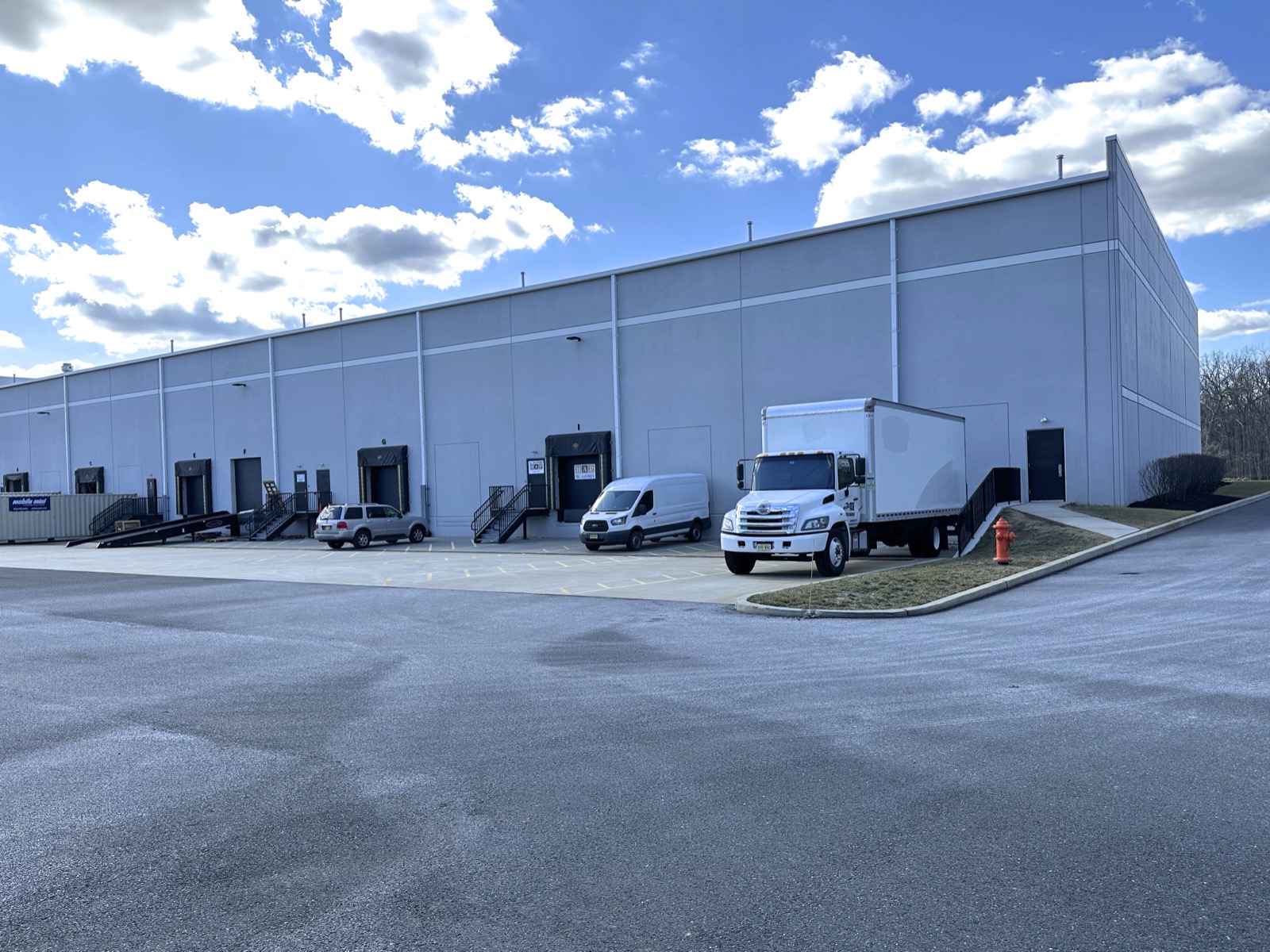
Consolidation is the way we have run trade show logistics since 1996. Our headquarters and warehouse in Tinton Falls, New Jersey sit within an hour of the Javits, Atlantic City, and Philadelphia convention corridor, with additional warehousing in Miami, Texas, and California and field teams nationwide. Exhibit fabrication, large-format printing, kitting, and storage between shows all happen in-house, and international freight and I&D coordination run through the same team that built the booth — so most of the handoffs described above simply do not exist for our clients. If your last show week was memorable for the wrong reasons, that is usually fixable.
Frequently asked questions
Why is trade show shipping so expensive?
Because you pay for the same freight several times. Beyond the carrier's line-haul charge, the show's general contractor bills material handling by weight — industry cost surveys commonly put major-venue rates in the range of $80 to $200 per hundred pounds — plus per-shipment minimums, special-handling surcharges for loose or off-target freight, and overtime labor when schedules slip.
What is the difference between advance warehouse and direct-to-show freight?
Advance-warehouse freight ships to the general contractor's local warehouse weeks before the show; it is received over a long window, verified early, and typically delivered to your booth first at move-in. Direct-to-show freight goes straight to the venue on a targeted date, saving one handling step but leaving almost no margin if the truck misses its window.
What is a marshaling yard?
A marshaling yard is a staging lot, often miles from the convention center, where trucks check in and wait to be called to a loading dock in sequence. Drivers who miss the check-in cutoff on their target date frequently are not unloaded until the next day, with your installation labor billing while the crates sit.
How do you avoid forced freight at the end of a show?
Turn in your material handling agreement early, book a carrier that regularly works trade shows, and confirm the driver is checked in well before the contractor's deadline, not just en route. If your outbound truck has not checked in when the deadline hits, the contractor re-routes your freight through its own carrier at its rates. A warehouse partner near the venue makes that pickup window easy to hit.