Beyond the Booth: How International Manufacturers Keep a US Presence Between Trade Shows
Key takeaways
- Follow-up run from six to thirteen time zones away structurally misses US business hours; research published in Harvard Business Review found firms responding within an hour were nearly seven times as likely to qualify a lead.
- A minimum viable US presence needs no office: a US warehouse address, US-hours follow-up capacity, steady trade media visibility, and collateral localized to imperial units and American English.
- For more than one US show a year, storing exhibit and demo gear stateside usually beats re-shipping — ocean freight runs a month or more each way and puts that lead time in front of every between-shows opportunity.
- Shows are the spike and trade media is the baseline: placements timed for the quiet months between shows sustain US market presence better than announcements clustered around show week.
- Choosing among a US hire, a distributor, and a marketing execution partner is a cost, control, and coverage trade-off — not a question with one universal answer.
We wrote a companion piece about getting an international manufacturer through a US trade show — the exclusive contractors, the drayage invoices, the carnet paperwork. This article is about the other fifty weeks. The pattern repeats across the manufacturers we work with — chemicals, industrial gases, components, medical devices: exhibit at one to three US shows, collect a stack of leads, fly home. By the next show, the US market has forgotten the company existed.
Why US pipelines go cold between shows
Distance kills the follow-up before any competitor does. Leads worked from six to thirteen time zones away reach American buyers at the wrong hour, and anything physical — samples, literature, a demo unit — arrives weeks after interest peaked.
The timezone math is unforgiving. A sales engineer calling from Stuttgart at 10 a.m. reaches a Chicago buyer's voicemail at 3 a.m.; a call placed during Seoul business hours lands in the middle of the American night. So trade show follow-up quietly degrades into email, where a message from an unfamiliar overseas domain competes with the domestic vendor who simply called back the next morning.
Speed is not a soft factor. An audit published in Harvard Business Review found that firms contacting a prospect within an hour of an inquiry were nearly seven times as likely to qualify the lead as those that waited even an hour longer. Show leads are warmer than web leads, but the decay curve is the same shape — a buyer who met eight suppliers on Tuesday remembers three by the following Friday.
Physical follow-up is slower still. A sample request fulfilled from a factory in Osaka passes through export paperwork, air freight, and US customs before it reaches the buyer's bench — several weeks is normal. The domestic competitor shipped theirs ground, and it arrived Thursday.
The minimum viable US presence — no office required
Four things, and none of them requires a subsidiary, a lease, or a hire: a US address with warehousing behind it, follow-up capacity on US hours, a baseline presence in US trade media, and collateral written for American buyers.
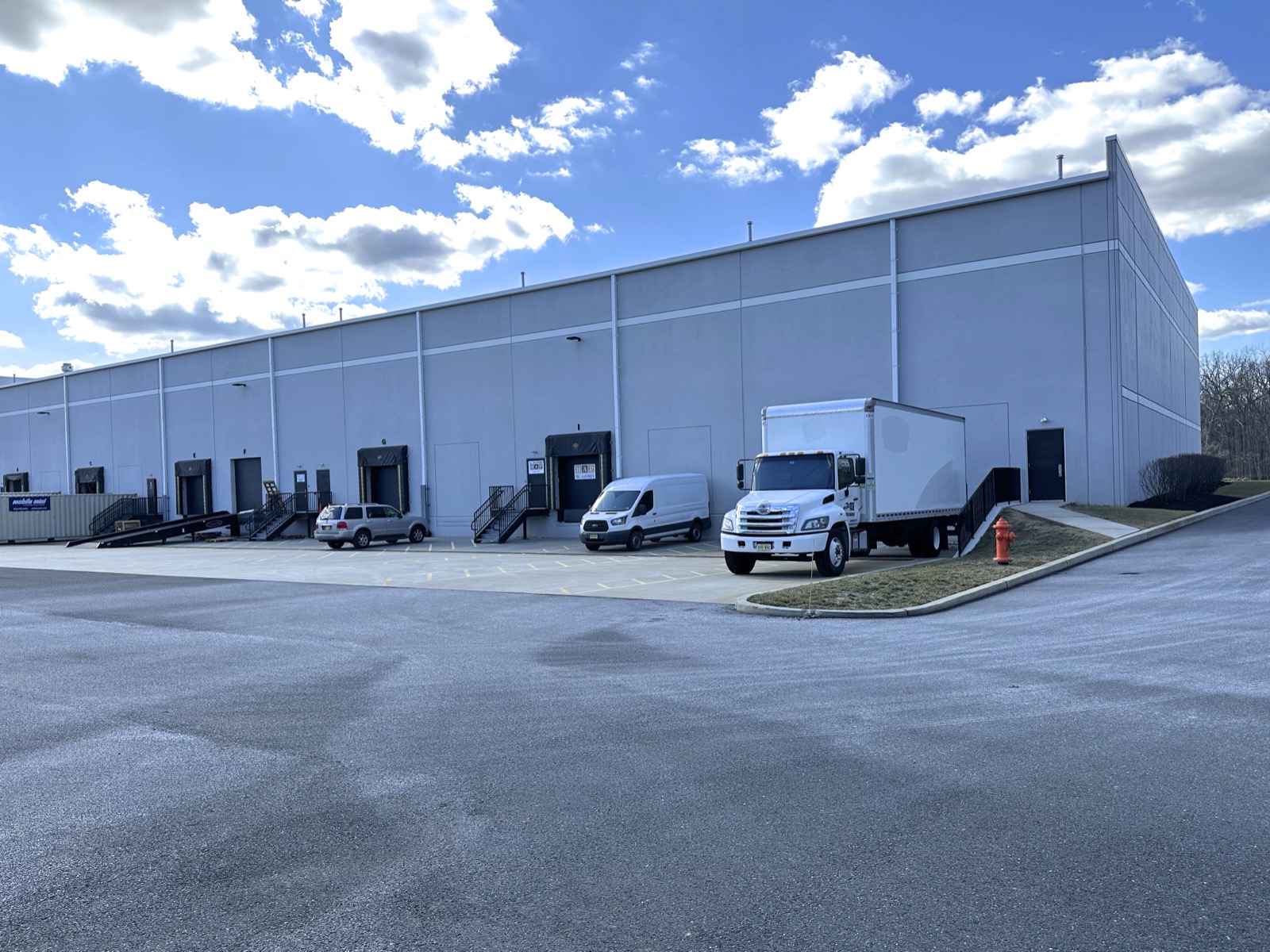
- A US address and warehouse. Demo equipment, samples, and literature stored stateside turn a multi-week international shipment into a two-day ground delivery. The same warehouse receives show freight and kits literature for the next event.
- US-hours follow-up capacity. Someone — your rep, a contracted inside resource, a partner's account team — who can return a buyer's call at 2 p.m. their time and book the technical conversation for your engineers to join remotely.
- US trade media visibility. Coverage that appears between shows, so a prospect who searches your name in October finds something newer than last spring's booth announcement. More on this below.
- Localized collateral. Imperial units alongside metric, US spec conventions where they apply, American English spelling, letter-format documents rather than A4. A data sheet published only in bar and millimeters reads as imported — because it is.
Store the exhibit stateside, or re-ship it every cycle?
If you exhibit in the US more than once a year, storing the exhibit and demo gear stateside is usually cheaper and always faster. If you do one small show, re-shipping can still pencil out — but run the numbers honestly, per crate, before defaulting to it.
Re-shipping means ocean freight in both directions every cycle, customs entry and exit each time, and a month or more in transit each way — during which the gear serves no one. Storage means a monthly warehouse line item and a domestic truck to the next hall. The crossover depends on crate count and schedule, but the comparison is a freight quote against twelve months of storage — and most exhibitors never run it.
US trade media: the baseline between the spikes
Shows are the spike; trade media is the baseline. A press release program, contributed technical articles, and case studies timed for the months between shows are what keep a US buyer aware of you during the fifty weeks you have no booth.
US trade publications plan editorial calendars months ahead, and most welcome strong technical content — an application story, a case study with real engineering detail. Timing matters more than volume: two placements landing in the quiet months between your spring and fall shows do more for US market presence than five clustered around show week, when every competitor is publishing at once.
The test is simple. Search your company name the way an American buyer would, three months after the show. If the freshest result is a booth announcement — or a homepage in German — the baseline is missing.
Turning one show circuit into a pipeline
Treat the months between shows as the campaign, not the off-season. The list from the spring show, worked on US hours, is what fills the meeting calendar for the fall show.
The sequence is unglamorous: reconcile badge scans within days, not after the jet lag clears; first personal touch inside a week, from a US number during US business hours; samples and literature shipped from the stateside warehouse; then a technical call your engineers join at an hour that is civilized on both continents.
Then close the loop. Six weeks before the next show, the worked list becomes the invitation list — booth meetings booked with the buyers who received samples in May and saw your coverage in August. Exhibitors who run this arrive with a calendar. Exhibitors who skip it start from zero at every show, and pay show prices for the restart.
Hire, distributor, or marketing execution partner?
There is no universally right answer — it is a trade-off among cost, control, and coverage, and it turns on how much US revenue you are defending.
A US employee offers the most control and the most credibility on a call. It also concentrates everything in one person: one skill set, one set of working hours, one resignation away from zero. And the role you actually need spans inside sales, fulfillment logistics, media relations, and event coordination — rarely one hire's toolkit.
A distributor brings coverage — existing relationships and people already on the ground — at low fixed cost. The trade is control: your products become lines in their catalog, your marketing gets whatever attention their schedule allows, and the leads often live in their CRM rather than yours.
A marketing execution partner sits between the two: capacity rather than headcount, with warehousing, fulfillment, US-hours coordination, and media work spread across specialists instead of resting on one hire. Control stays higher than the distributor route because direction comes from you; coverage runs broader than a single employee because the work is not one person deep. It fits best when your sales leadership sets strategy from home and the partner executes stateside.
This between-shows work is much of what we have done since 1996. HAP Marketing operates from Tinton Falls, New Jersey — within an hour of the Javits, Atlantic City, and Philadelphia halls — with offices and warehousing in Miami, Texas, and California. We store exhibits and demo equipment between shows, kit and ship literature and samples, and run creative, PR, and large-format production in-house for international manufacturers who need a US presence without a US payroll. If your pipeline dies every time your team flies home, that is a fixable problem.
Frequently asked questions
How can a foreign company market in the US without a subsidiary?
No legal entity is required to market, publish, or fulfill in the US. What is required is infrastructure: a US address with warehousing for samples and literature, follow-up capacity during US business hours, visibility in US trade media, and collateral localized for American buyers. All four can be contracted from a US-based partner rather than built.
Where should international exhibitors store trade show equipment in the US?
In a warehouse near the shows you actually attend. A Northeast circuit — Javits, Atlantic City, Philadelphia — is best served from New Jersey; Gulf Coast and West Coast circuits from Texas or California. Look for exhibit-experienced warehousing that inspects freight on return, stages repairs, and ships consolidated to the next hall, not plain pallet storage.
How quickly should trade show leads be followed up?
Within a week, and the first days matter most. Research published in Harvard Business Review found firms contacting prospects within an hour of an inquiry were nearly seven times as likely to qualify the lead. For show leads, reconcile badge scans within days and make the first personal touch — on US hours — inside the first week.
Do international manufacturers need US-specific marketing materials?
Yes. American buyers expect imperial units alongside metric, US spec conventions where they apply, American English spelling, and letter-format documents rather than A4. Printing in the US also avoids shipping literature through customs — printed matter cannot travel on a carnet — and lets you reprint overnight when something changes.